

Los equipos industriales a menudo fallan debido a una selección inadecuada de la cadena. Esto genera tiempo de inactividad, riesgos de seguridad y altos costos de reparación. Comprender los diferentes tipos de cadenas industriales le ayudará a evitar errores costosos.
Los principales tipos de cadenas industriales incluyen cadenas de rodillos estándar, cadenas de hojas, cadenas de clase de ingeniería, cadenas industriales especiales y cadenas transportadoras o acumuladoras. Cada tipo está diseñado para capacidades de carga, entornos operativos y requisitos de rendimiento específicos, lo que garantiza una transmisión de energía o manipulación de materiales eficiente en sistemas industriales.
Ahora, exploremos cada tipo en detalle y comprendamos dónde se utilizan mejor.
¿Qué es una cadena industrial?
Las cadenas industriales son componentes mecánicos esenciales que se utilizan para transmitir energía o mover materiales en diversos sistemas industriales. Están diseñados para funcionar bajo cargas pesadas, movimiento continuo y condiciones ambientales exigentes.
Una cadena industrial es una serie de eslabones metálicos interconectados diseñados para transferir energía mecánica entre ejes o transportar productos a lo largo de líneas de producción. Se utilizan comúnmente en maquinaria que requiere durabilidad, precisión y resistencia en entornos desafiantes.
En comparación con las transmisiones por correa, las cadenas proporcionan una mejor sincronización y una mayor capacidad de carga. Se utilizan ampliamente en plantas de fabricación, equipos agrícolas, operaciones mineras, sistemas automotrices e instalaciones de procesamiento de alimentos. Su estructura les permite soportar altas tensiones, variaciones de temperatura y condiciones abrasivas cuando se mantienen y lubrican adecuadamente.
Las cadenas industriales desempeñan un papel fundamental en el mantenimiento de la eficiencia operativa y la confiabilidad de los equipos a largo plazo.
¿Cuáles son los principales tipos de cadenas industriales?
Hay varios tipos de cadenas industriales, cada uno diseñado para cumplir con requisitos mecánicos y ambientales específicos. Elegir el tipo correcto afecta directamente el rendimiento, la durabilidad y la seguridad.
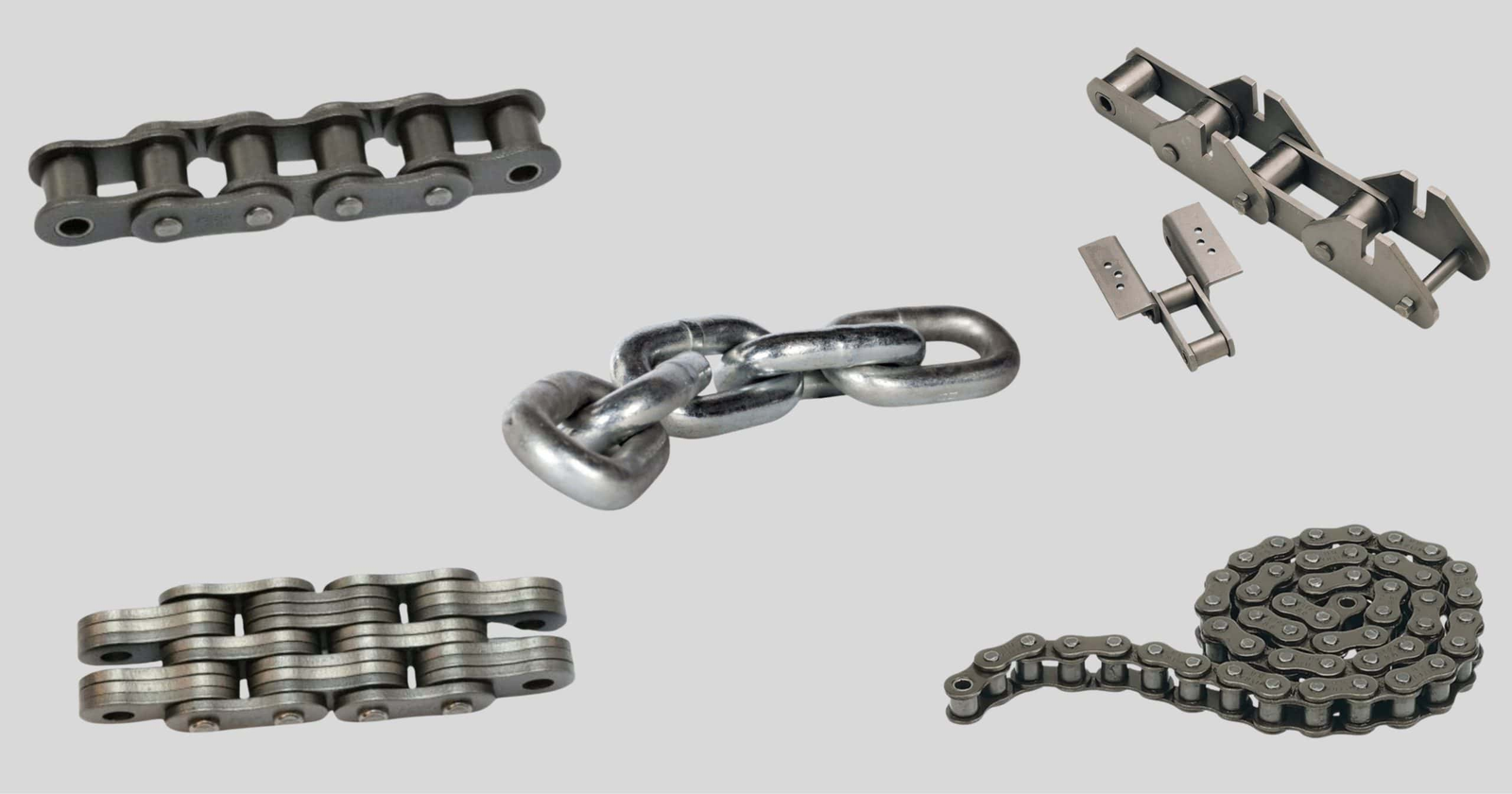
Los tipos principales de cadenas industriales son cadenas de rodillos para transmisión de potencia, cadenas de hojas para elevación, cadenas de clase de ingeniería para industrias pesadas, cadenas especiales para entornos únicos y cadenas transportadoras o acumuladoras para sistemas de manejo de materiales.
Para que sea más fácil compararlos, aquí hay una descripción general rápida:
| Tipo de Cadena Industrial | Función principal | Aplicaciones comunes | Característica clave |
| Cadenas de rodillos estándar | Transmisión de potencia | Maquinaria, agricultura, accionamientos de equipos. | Transferencia de movimiento eficiente |
| Cadenas de hojas | Levantamiento | Carretillas elevadoras, polipastos | Alta resistencia a la tracción |
| Cadenas de clases de ingeniería | Transporte pesado | Minería, cemento, silvicultura. | Resistencia al impacto |
| Cadenas redondas de acero | Levantamiento pesado y minería | Transportadores rascadores, de elevación, marinos | Alta resistencia a la carga y al desgaste |
| Cadenas industriales especializadas | Ambientes especiales | Alimentación, química, marina. | Resistente a la corrosión/calor |
| Cadenas transportadoras/acumuladoras | Transporte de materiales | Líneas de montaje, logística. | Manejo fluido del producto |
Comprender estas diferencias le ayudará a adaptar el tipo de cadena a sus necesidades operativas.
1. Cadenas redondas de acero
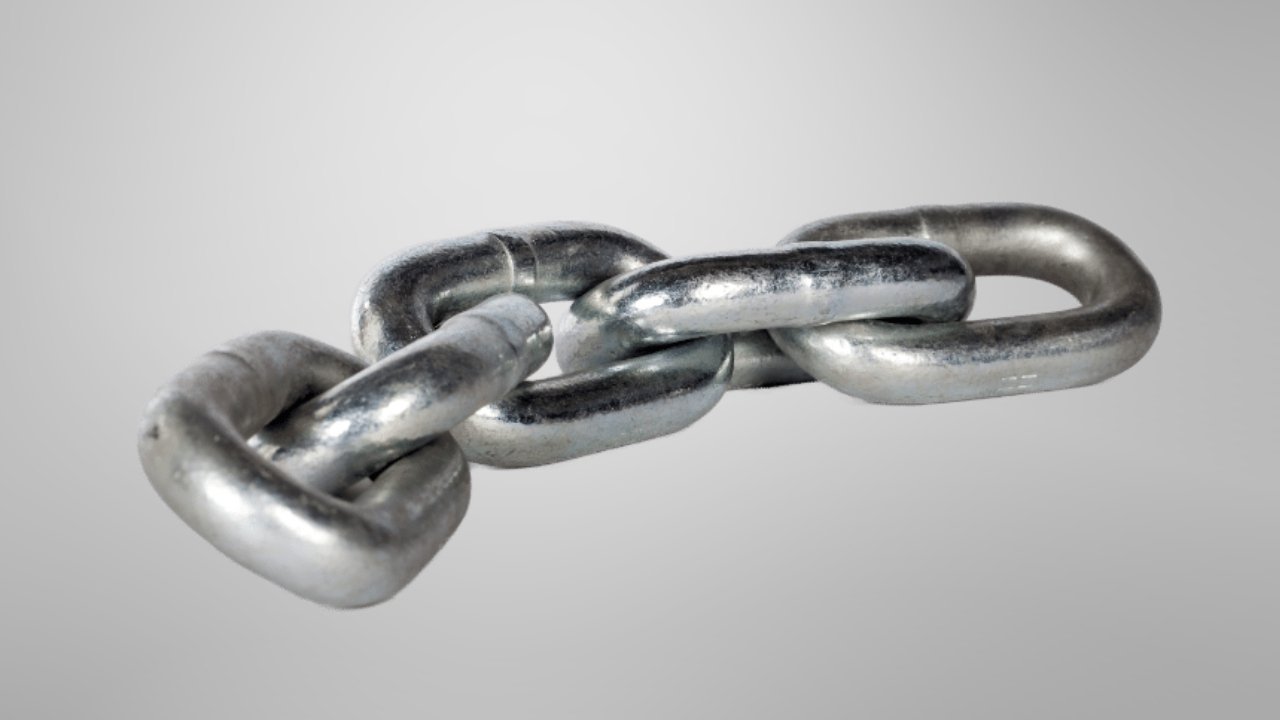
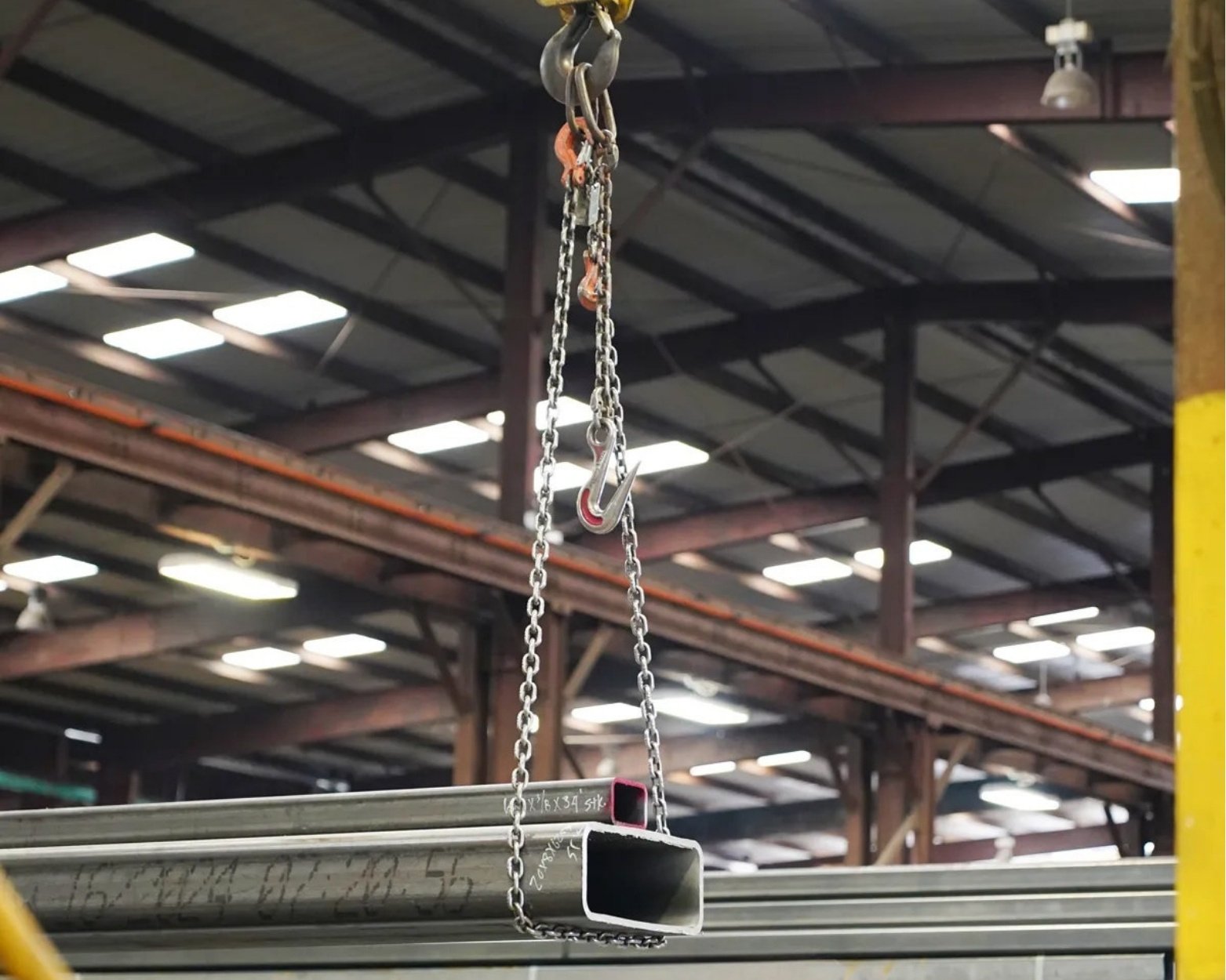
Las cadenas redondas de acero se utilizan ampliamente en aplicaciones industriales y de elevación de servicio pesado debido a su estructura simple y resistencia excepcional. Son especialmente importantes en minería y sistemas de elevación.
Las cadenas de acero redondas están hechas de acero de aleación de alta resistencia formado en eslabones redondos soldados. Se utilizan principalmente en sistemas transportadores de minería, equipos de elevación, eslingas de elevación y aplicaciones marinas donde son esenciales una alta resistencia a la tracción y durabilidad.
Estas cadenas están diseñadas para soportar cargas dinámicas pesadas, fuerzas de impacto y entornos hostiles. En las operaciones mineras, las cadenas de eslabones redondos se utilizan comúnmente en transportadores raspadores y transportadores frontales blindados. Su estructura redonda uniforme distribuye la tensión de manera uniforme, reduciendo los puntos débiles. Con un tratamiento térmico y un acabado superficial adecuados, ofrecen una excelente resistencia al desgaste y una larga vida útil. También están disponibles en diferentes grados para cumplir con diversos requisitos de carga.
Las cadenas redondas de acero son ideales para entornos industriales subterráneos, de alto impacto y de alta carga.
2. Cadenas de rodillos estándar
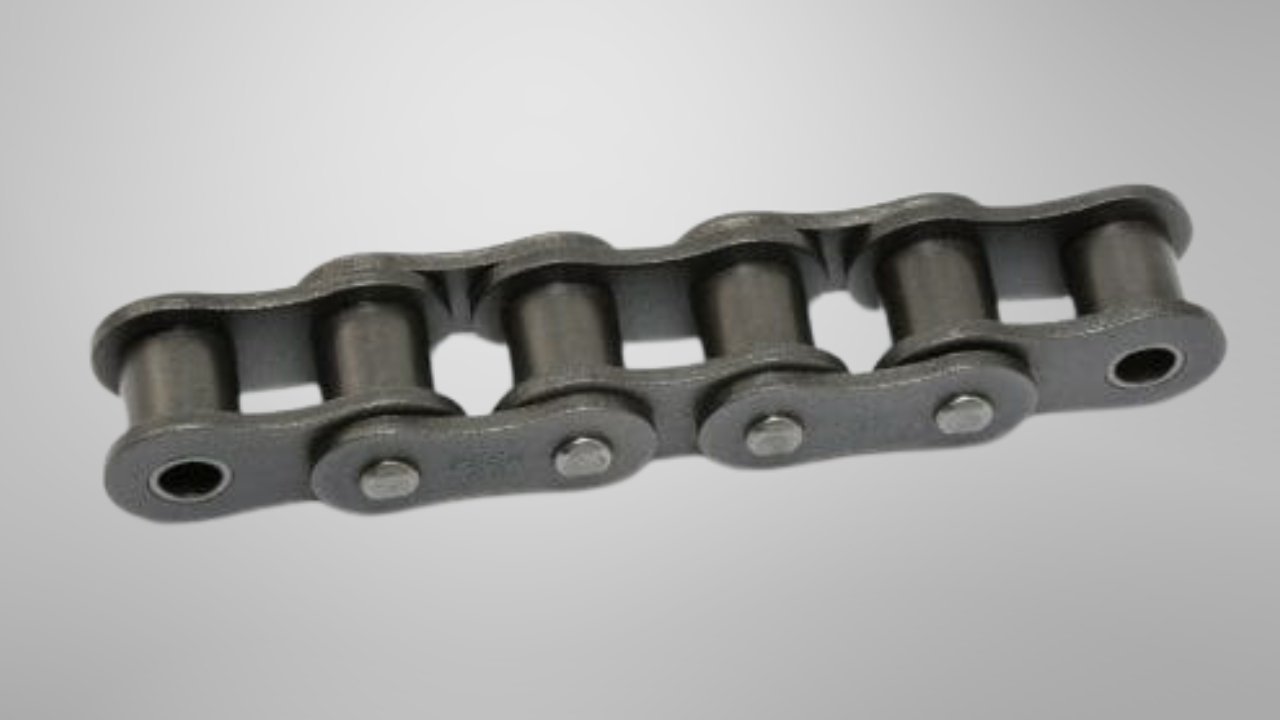
Las cadenas de rodillos estándar son el tipo de cadena industrial más utilizado para transmitir potencia mecánica. Se encuentran comúnmente en aplicaciones industriales de servicio liviano y mediano.
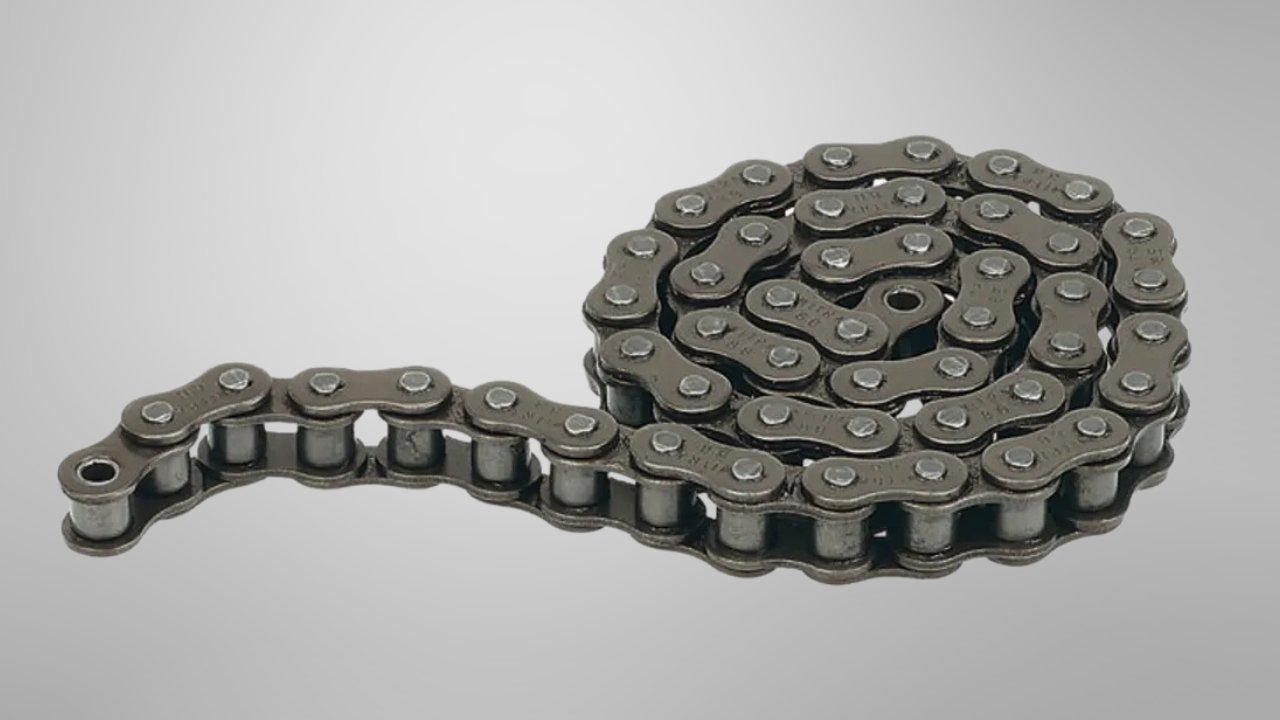
Las cadenas de rodillos constan de placas, pasadores, casquillos y rodillos internos y externos que se acoplan con ruedas dentadas para transferir el movimiento de manera eficiente. Sus dimensiones estandarizadas los hacen fáciles de reemplazar y ampliamente compatibles con varias máquinas.
Estas cadenas son populares porque proporcionan una alta eficiencia de transmisión con un deslizamiento mínimo. Se utilizan en transportadores, equipos agrícolas, motocicletas, máquinas de impresión y equipos de embalaje. Con una lubricación y alineación adecuadas, las cadenas de rodillos pueden funcionar durante largos períodos con un mantenimiento mínimo. Son ideales para aplicaciones que requieren una velocidad constante y una capacidad de carga moderada.
Las cadenas de rodillos son confiables, eficientes y versátiles para la transmisión de energía industrial diaria.
3. Cadenas de hojas
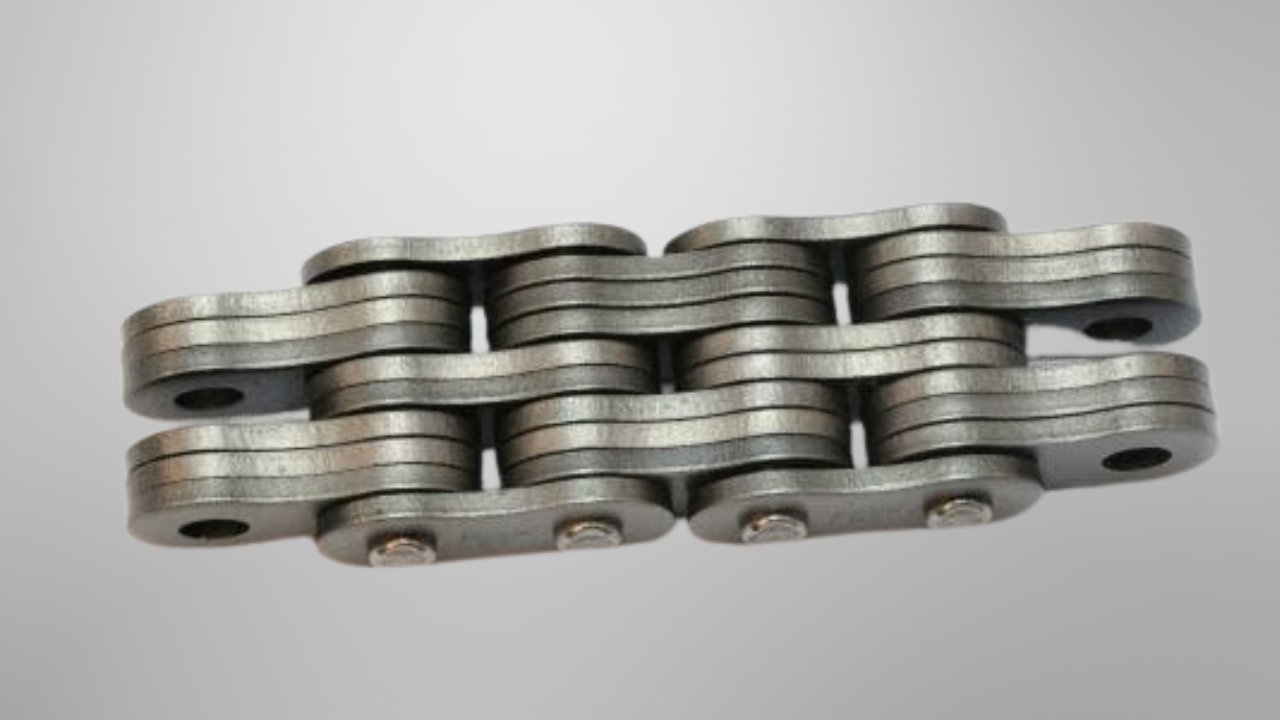
Las cadenas Leaf están diseñadas específicamente para aplicaciones de elevación donde son fundamentales una alta resistencia y una estructura compacta. Se utilizan habitualmente en sistemas de carga vertical.
Las cadenas de hojas están hechas de placas de eslabones apiladas conectadas por pasadores, sin rodillos. Este diseño les permite manejar cargas de tracción muy elevadas, lo que los hace adecuados para montacargas, polipastos y plataformas elevadoras.
A diferencia de las cadenas de rodillos, las cadenas de hojas funcionan sobre poleas lisas en lugar de ruedas dentadas. Su construcción simple pero fuerte los hace resistentes a cargas de impacto y fatiga cuando se les mantiene adecuadamente. La inspección periódica es esencial porque las operaciones de elevación implican riesgos para la seguridad. Estas cadenas se utilizan con frecuencia en almacenes, obras de construcción y equipos de elevación hidráulica.
Las cadenas de hojas son las más adecuadas para levantamiento pesado y aplicaciones verticales de alta tensión.
4. Cadenas de clases de ingeniería
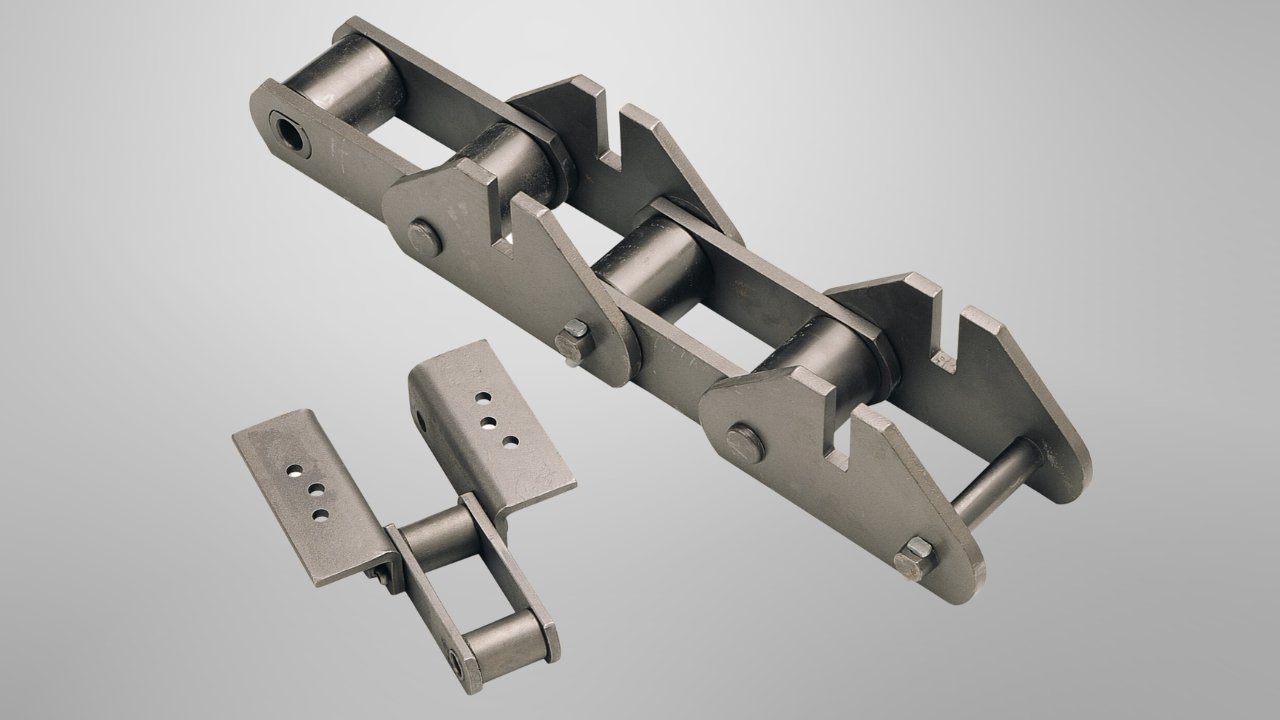
Las cadenas de clase ingeniería están diseñadas para entornos industriales extremos donde las cargas pesadas, los materiales abrasivos y las fuerzas de impacto son comunes. Son más grandes y resistentes que las cadenas de rodillos estándar.
Estas cadenas están diseñadas para soportar condiciones de alto impacto y se utilizan comúnmente en las industrias de minería, producción de cemento, procesamiento de madera y manipulación de materiales a granel.
Su construcción robusta les permite operar en ambientes polvorientos, húmedos o de alta temperatura. Las cadenas de ingeniería suelen diseñarse a medida para cumplir requisitos industriales específicos. Pueden soportar cargas de impacto y ciclos continuos de trabajo pesado. Debido a que operan en condiciones difíciles, una inspección periódica y una lubricación adecuada son esenciales para una larga vida útil.
Las cadenas de clase ingeniería ofrecen máxima durabilidad para las aplicaciones industriales más exigentes.
5. Cadenas industriales especializadas
Las cadenas industriales especializadas se desarrollan para entornos que requieren materiales específicos o características de rendimiento más allá de los diseños estándar. Abordan desafíos específicos de la industria.
Estas cadenas pueden incluir cadenas de acero inoxidable, cadenas recubiertas resistentes a la corrosión o cadenas de alta temperatura utilizadas en el procesamiento de alimentos, entornos marinos y plantas químicas.
Por ejemplo, las cadenas alimentarias deben cumplir normas de higiene y resistir la contaminación. Las cadenas resistentes a la corrosión funcionan bien en ambientes húmedos o expuestos a productos químicos. Algunas cadenas especiales están diseñadas para reducir el ruido o funcionar sin lubricación. Seleccionar la cadena especializada correcta garantiza el cumplimiento normativo y un funcionamiento confiable a largo plazo.
Las cadenas especializadas resuelven desafíos operativos únicos en entornos regulados o hostiles.
6. Cadenas transportadoras y acumuladoras
Las cadenas transportadoras y acumuladoras están diseñadas para transportar productos sin problemas a lo largo de líneas de producción y montaje. Son esenciales en los sistemas de fabricación automatizados.
Estas cadenas mueven materiales de manera eficiente dentro de fábricas y almacenes. Las cadenas de acumuladores permiten que los productos se pongan en cola sin detener todo el sistema, lo que mejora la flexibilidad y la eficiencia de la producción.
Se utilizan ampliamente en líneas de montaje de automóviles, plantas de embalaje, centros logísticos e instalaciones de embotellado. Su diseño minimiza el daño al producto manteniendo un movimiento constante. La tensión y alineación adecuadas de la cadena son fundamentales para evitar el tiempo de inactividad y prolongar la vida útil.
Las cadenas transportadoras garantizan un flujo de materiales fluido y eficiente en las operaciones industriales modernas.
Aplicaciones de las Cadenas Industriales
Las cadenas industriales se utilizan en casi todas las industrias importantes debido a su resistencia y confiabilidad. Sus aplicaciones van mucho más allá de la simple transmisión de energía.
Se utilizan comúnmente en accionamientos de maquinaria, sistemas de elevación, sistemas transportadores, máquinas agrícolas, equipos de construcción y líneas de producción automatizadas.
En las plantas de minería y cemento, las cadenas de alta resistencia manipulan materiales a granel. En la agricultura, conducen equipos de cosecha. En la producción de alimentos, las cadenas de acero inoxidable garantizan un procesamiento higiénico. Debido a que las cadenas industriales respaldan operaciones continuas, la selección y el mantenimiento adecuados reducen significativamente el tiempo de inactividad y los costos operativos.
Las cadenas industriales son componentes fundamentales de una producción industrial eficiente y continua.
¿Cómo seleccionar la cadena industrial adecuada?
Elegir la cadena industrial correcta requiere comprender sus requisitos operativos específicos. Una selección inadecuada puede provocar un desgaste prematuro y fallos del equipo.
Al seleccionar entre diferentes tipos de cadenas industriales, considere la capacidad de carga, la velocidad de operación, las condiciones ambientales, la temperatura, las necesidades de lubricación y los intervalos de mantenimiento.
Es importante consultar las especificaciones del fabricante para garantizar la compatibilidad con los diseños de ruedas dentadas y maquinaria. La sobrecarga de una cadena reduce su vida útil y aumenta los riesgos de seguridad. Trabajar con proveedores experimentados puede ayudarle a determinar el tamaño y el material de cadena correctos para su aplicación. La instalación adecuada y la inspección periódica prolongan aún más la vida útil.
Resumen
Seleccionar la cadena industrial adecuada mejora la seguridad, la eficiencia y el rendimiento del equipo a largo plazo.
En ELEHARDIX, nos especializamos en cadenas industriales de alta calidad diseñadas para brindar durabilidad y rendimiento en aplicaciones exigentes. Si está buscando soluciones confiables adaptadas a sus necesidades, contáctenos hoy y analicemos cómo podemos respaldar su próximo proyecto.